Friday, 2 July 2021

STAY HEALTHY IN MONSOONS


There is no doubt monsoon showers come as a relief and are welcome after the scorching summer heat. But the bad news is that it also brings health problems like allergies, infections and indigestion. 

High temperature and humidity are ideal conditions for the growth of microorganisms. This can cause diseases such as food poisoning, typhoid, jaundice which are food borne diseases. Also, this season is the peak for malaria, dengue because of water stagnation. But there is absolutely no need to panic, small variations in eating habits can keep problems at bay. Diet plays an important role not only in preventing the onset of such diseases but also help in curing the disease. Below are some tips and tricks which can help you keep these infections at bay:

Best foods for the monsoon 

  • Start your day with a warm and nutritious breakfast. A millet porridge made with organic ghee and some nut butter or assorted nuts is a good option. You may also eat warm Indian breakfasts like brown rice poha made with some ghee, vegetable upma, methi muthias, capsicum besan chilla, sweet potatoes, green peas and lots of Indian spices to fire up the digestive system. 
  • Choose to have good wholesome lunch like dals that are easier to digest, like moong and masoor dal. Adding ginger, garlic, turmeric, coriander, cumin, fennel and asafoetida not only makes the food flavorful but improves digestion and immunity. Combining it with a variety of grains like red rice, black rice, millet or quinoa makes it even more tasty and nutrient dense. Add generous amounts of ghee and a vegetable dish like bhindi which has soluble fibers to help digestion, and you have yourself a winning monsoon lunch! 
  • Avoid heavy dairy which is very heavy to digest during the monsoon. Staying away from cold milk, curd, ice creams and cheese is the best way to keep yourself at low risk for getting a gut infection. You can have some boiled ginger tea as a digestive support with your meals. Eat lemon, limes, apples, cherries, pomegranate since they are astringents and reduce the monsoon’s impact on your body. 
  • Brew some tea to create the warmth. A good digestive tea can boost your immunity during the monsoon, here is my favourite tea for the monsoon days… Boil some ginger, a tablespoon each of coriander seeds, cumin seeds, fennel seeds and fenugreek seeds in two cups of water. Reduce the quantity to one cup. Strain and consume with your meal. 

Nutrients you need to boost your immune system

  • Protein: Protein is the most important macronutrient in the diet. Apart from the basic function of growth and development in children to the maintenance of wear and tear in elderly, it also helps in various functions, from building immunity to building and maintaining muscle mass, fighting infections to prevent as well as recover from illness and wound healing. 
  • Omega-3 fatty acids: Omega-3 fatty acids are essential fatty acids that also have immune-modulatory effects. In monsoon where the risk of infection through food and water increases, boosting immunity helps fight these infections to an extent. Omega-3 fatty acids are present in foods like fish, oysters, nuts and oilseeds like walnuts, pistachios, chia seeds, flax seeds, etc.
  • Vitamin C: Vitamin C is a powerful antioxidant that may help in preventing, treating respiratory disorders, body’s immunity to fight disease and systemic infections. 

Some precautions you need to take:

  • Eat small frequent meals but keep them light.
  • Take more of fluids like fresh lime water, coconut water, buttermilk to replenish the salts and electrolytes lost in sweats.
  • Foods high in protein get spoiled very fast in this weather due to high humidity and temperature. Keep dairy products and non-vegetarian items in proper temperatures. Non-veg items should be kept in frozen temperature, once thawed should not be frozen again.
  • Build your immunity by eating loads of seasonal fruits and veggies rich in vitamin C to prevent infections. 
  • Take a lot of good bacteria or probiotics, present in curd, and other fermented foods as it builds the immune system response to fighting disease.
  • Use a lot of Indian herbs like turmeric (haldi), coriander, fenugreek (methi), mustard, asafoetida (hing), ginger, curry leaves and garlic as all these help in boosting immunity. They also help in improving digestion and clear congestion.
  • Maintain good hygiene by washing hands well before and after eating. Wash after using toilet.
  • Avoid leaving food outside all day and consuming it at later after long hours of gap. Avoid eating leftovers at all. Since your digestion is weak, it will make it more sluggish, causing gas, bloating, acidity and indigestion. 
  • Exercise is very important during the monsoon. Have an active lifestyle and move your body every day with some form of exercise as this will help get your lymphatic system moving and make you less prone to infections or microbial attacks. Cold water may not be a good idea to have and a problem during this season, as it will cause the lymphatic system to get congested, making you more prone to infections.

Healthy Diet Tips for Rainy Season

  • Eat Seasonal Fruits:  Apples, jamuns, litchi, plums, cherries, peaches, papayas, pears and pomegranates are some of the best fruits you may add to your diet in rainy season to improve the immune system. Avoid watermelon and muskmelon.
  • Avoid Salt: Lower down the salt intake as it may cause water retention and high blood pressure which may cause additional problems in monsoon.
  • Avoid Watery Foods: Buttermilk, lassi, rice, watermelon etc. can cause swelling in the body. Avoiding such foods will take care of the water retention.
  • Garlic: A hint of garlic in various dishes in your food will help in improving your immune system.
  • Curd over Milk: Instead of milk, prefer curd or yogurt as it avoids any possibility of bad bacteria entering the body. Have it only at room temperature to avoid getting cold.
  • Boil Water: Prefer only boiled or purified water. Avoid drinking tap water directly.
  • Bitter is better: Vegetables like methi and bitter gourd, neem and turmeric as addition to the diet can help in preventing infections.
  • Oils: Sesame, peanut, and mustard oil can invite infections thus prefer to use corn oil or light oil.
  • Avoid Spicy Food: If you are prone to allergies, avoid spicy food as it increases body temperature and stimulates blood circulation which leads to the faster spread of allergies.
  • Limit Meat: If you are a hard-core non-vegetarian, limit meat for a couple of months. Instead of heavy curry dishes of meat prefer soups and stew.
  • Steam it: Avoid raw salad and make sure to steam it before eating during the rainy season.
  • Herbal Warm Water: Those who suffer from infections and fever during rainy season can find relief with decoction prepared from ingredients like ginger, tulsi, and a dash of medicinal spices like cloves, pepper, cinnamon, cardamom.
  • Avoid Street-Food: Pre-cut fruit, fried food, junk food or any street-food should be avoided completely.

I hope in this article all the given diet and nutritional tips along with timely preventive health check-up with your physician will help you to safeguard your health from the common monsoon diseases and enjoy the rainy season to the fullest. Enjoy the rains, have a safe and healthy Monsoon!

Summary:
Monsoon showers come as a relief and are a welcome after the scorching summer heat. But is also brings along a lot of infections, allergies and indigestion. Here are some quick tips to stay healthy during this monsoon season:

  1. Start your day with a warm and nutritious breakfast.
  2. Choose to have good wholesome lunch.
  3. Avoid heavy dairy as it is very heavy to digest during monsoon.
  4. Brew some tea to create warmth. 
  5. Eat small frequent meals. Include seasonal fruits in your meals. 
  6. Take more of fluids like fresh lime water, coconut water, etc. 
  7. Take a lot of good bacteria or probiotics.
  8. Avoid spicy street food and stick to steamed/ boiled food. 

Thursday, 17 June 2021

Nutritional Guidelines for Men- Men's Health Week

Family, career and favorite sporting teams often rank high on the list of priorities in men’s life but in doing so, they often overlook their own health. The choices they make now can affect health and well-being in the years to come, so it is important to establish a healthy lifestyle, including healthy eating habits today. Busy schedules and new environments can lead to unhealthful eating habits such as skipping meals or snacks, eating nothing but fast food, overeating, and drinking excessive amounts of sugar-sweetened beverages or alcohol. Along with inconsistent eating patterns, young men may experience weight gain or a lack of energy.

In fact, men are 24 percent less likely than women to have visited a doctor within the past year, but they are 28 percent more likely than women to be hospitalized for congestive heart failure and 32 percent more likely than women to be hospitalized for long-term complications of diabetes, according to the U.S. Department of Health and Human Services Agency for Healthcare Research and Quality.

With numbers like this, men have some unique health needs and Nutrition is key in helping men of all ages live healthier, fuller lives. Being healthy is not based on just being absent from disease but also being mentally, socially, physically and spiritually healthy, where diet plays 80 percent of the role. So here are a few pointers which men’s should keep in mind so as to lead a better and healthy life.

  • Eat breakfast every day: The first meal you eat in the morning truly "breaks the fast" and gets your metabolism moving for the day. Don't skip it!
  • Intake of snacks: A mid morning and mid afternoon snack will help you avoid overeating at meals and alleviate energy lows throughout the day (roasted seeds, roasted makhanas etc.)
  • Good protein: Protein promotes muscle growth and overall health and dietary protein is the most important factor in preventing and reversing the excessive loss of lean muscle mass.(A 2013 Abbott-supported study shows that HMB can help older adults prevent muscle loss when on periods of bed rest lasting up to 10 days (HMB is a protein-related compound that encourages your muscles to use the protein you eat more efficiently).  So introduce complete protein sources including fish, lean meats, seeds , eggs and dairy etc. into diet which will keep blood sugar levels optimum and will make you crave lesser for sweets.
  • Get more Vitamins C and E- Heart disease is the number-one disease affecting men—According to a 2015 meta-analysis in the British Journal of Nutrition, consuming healthful nutrients, including vitamins C and E (two of the most potent antioxidants), can help lower levels of inflammation and oxidative stress to help reduce wear and tear on your coronary arteries (walnuts, oranges, grapefruit and leafy greens, citric fruits).
  • Cut down on saturated fat and add healthy fat– Reduce  intake of biscuits, cakes, pies, pastries, chocolate and cream and eat healthy heart unsaturated oils such as rapeseed, avocados, almonds, canola oil, olive and sunflower oils and spreads made from them for cooking, salad dressings and spreading. The omega-3 fatty acids naturally found in seafoods like  salmon is  helping in reducing  inflammation that has been linked to obesity, dementia, Type 2 diabetes and heart disease. A Harvard Medical School meta-analysis shows that eating approximately one to two 3-ounce servings of fatty fish a week reduces the risk of dying from heart disease by 36 percent.
  • Limit intake of refined carbohydrates: Refined carbohydrates such as white breads, muffins, pastries anything made with flour will spike the blood glucose instantly leading to weight gain. Opting for more whole grains is key for managing weight, reducing the risk of Type 2 diabetes and even supporting brain function. Insulin resistance, which results in excess sugar in the blood, my increase the brain’s levels of inflammation and potentially contribute to the injury of blood vessels within the brain. Damage to those blood vessels is an important contributor to cognitive loss, dementia and Alzheimer’s disease.
  • Check your vitamin D levels- Vitamin D aids in both muscle and bone health to keep  strong through the years. It also  promotes a healthy immune system, being insufficient in this vitamin D can compromise immune. Our tip to you: Get checked it today! Vitamin D is a silent epidemic with symptoms being so unambiguous that it very easily goes unchecked.
  • Calcium-   Young men need 1,000 milligrams of calcium each day for bone and tooth health. Young men do prior to age 30 is crucial to having healthy bones for life. Food is the best source of calcium. Aim for three servings of low-fat dairy products, such as milk, yogurt or cheese every day but source it right like A2 milk.
  • Eat vegetables and fruit- Making healthful choices to fuel a young, active mind and body starts with balance. By eating well now, you can lessen  risk of health-related problems later.
  • Iron-rich foods- Iron is important for energy. You likely can get enough iron by eating iron-fortified cereal, leafy greens , spinach, pumpkin seeds, quinoa etc.
  • Zinc rich foods- Zinc as this nutrient plays an important role in sperm and semen production, or male fertility so introduce seeds, nuts , dairy products, eggs whole grains , chick peas, mushrooms etc.).
  • Exercise: Include some form of exercise daily: Exercising for 180 mins/week can help to reduce insulin resistance, especially when coupled with a limited intake of refined carbohydrates. For e.g. Yoga, swimming are some of the best form of exercises. To build muscle, strength train with weights or resistance bands at least two to three times a week. Our tip to you: If you are trying to lose weight, more exercise DOES NOT mean more exercise…it means looking smartly at your food choices, your alcohol intake, your sleep, your stress levels, your sugar and the consistency of your exercise program.
  • Don't go overboard with healthy foods- While we all got aware and conscious about the health some started overdoing nutrition. While fiber is good for health but having in excess leads to bloating, and prevents the absorption of minerals such as iron, zinc, magnesium, and calcium. proteins being good for increasing muscle mass and optimum functioning of hormones, having too much can put a load on the kidney, nuts and seeds has anti-ageing properties, prevents atherosclerosis but in excess it can increase ones cholesterol levels.

 People refer to ‘good’ and ‘bad’ foods, but there are no good and bad foods, only good diets and bad diets. Eating a variety of food from the core food groups, in the right balance, is what healthy eating is all about.

Sunday, 6 June 2021

FOOD SAFETY MEASURES


Clean: Always wash your fruits and vegetables, hands, counters and cooking utensils.

Separate: Keep raw food separately. Germs can spread from one food to another.

Cook: Cook foods for the appropriate length of time and at the appropriate temperature to kill pathogens.

Chill: Put fresh food in the refrigerator right away. Store food at the proper temperature.

Important: Do use safe water and raw materials.


Eating a Balanced Diet

Let us provide some insight on food safety measures and how to ensure you are eating healthy!

A healthy diet provides the body with essential nutrition: fluid, adequate essential amino acids from protein, essential fatty acids, vitamins, minerals, and adequate calories. The requirements for a healthy diet can be met from a variety of plant-based and animal-based foods. A properly balanced diet (in addition to exercise) is also thought to be important for lowering health risks, such as obesity, heart disease, type 2 diabetes, hypertension and cancer.

At the core of the balanced diet are foods that are high in vitamins, minerals, and other nutrients and low in unnecessary fats and sugars. The following are essential parts of a balanced diet:
  • Fruits: Besides being a great source of nutrition, fruits make quick and tasty snacks.
  • Vegetables: They are primary sources of essential vitamins and minerals. Dark, leafy greens (Eg. spinach, kale etc.) generally contain the most nutrition and can be eaten at every meal.
  • Grains: All types of grains are good sources of complex carbohydrates and some key vitamins and minerals. Grains are also naturally low in fat.
  • Proteins: Meats and beans are primary sources of protein, which is essential for proper muscle and brain development.
  • Dairy: Dairy products provide calcium, Vitamin D and other essential nutrients. Opt for reduced-fat of fat-free chesses, milk and yogurt.
  • Oils: Opt for low-fat versions of products that contain oil, such as salad dressing and mayonnaise. Good oils, such as olive oil, can replace fattier vegetable oil in your diet.

HEALTHY EATING TIPS
1. Fill up on colourful fruits and vegetables.
2. Eat more healthy carbohydrates and whole grains.
3. Enjoy healthy fats & avoid unhealthy fats.
4. Put protein in perspective.
5. Add calcium for strong bones.
6. Limit sugar and salt.
7. Bulk up on fiber.

Monday, 3 May 2021

Food Factors to Tackle Your Asthma and the Science Behind it


If you have ever tried googling ‘Diet for asthma” like many other people before you you’ll find that even the wide web turns up nothing specific, go ahead and try it right now, I’ll wait.

In the 20th century where knowledge is just a click away why is it that we can’t find something for a chronic disease that affects 100- 150 million people across the globe with 10 to 20% of the sufferer’s right here in humara Bharat.

Part of the problem lies in the asking the wrong questions, instead of asking what diet cures asthma (a question that as of now has no answers as the exact cause of asthma remains unknown) we can instead try asking what diet can reduce inflammation?

But wait a minute, weren’t we talking about asthma? What does asthma have to do with inflammation?
Well I’m glad you asked, although the exact causes of asthma have yet to be teased out of the problem- what we do know is that asthma is that it seems to be an inflammatory response of the airways to most often environment triggers. This tendency seems to have a tie in to genetics with children of people with asthma more likely to develop it during the course of their lifetime especially if they have been exposed to “asthma triggers” in infancy. Now while we can’t help genetics- we can help the way our genes develop and also put them in less “triggering” environments there is a whole field of nutrition developing as we speak on how genes can be turned on or rather ‘ triggered” by dietary factors (epigenetics- which we won’t go into detail here).

Now if we can we say that asthma seems to be an inflammatory response –how can the kind of diet I eat play any factor to my asthma anyway?

The answer is logical when you think of the basic definition of an asthma attack. Asthma is traditionally characterised by a strong reaction of the body’s immune system to an allergen in the environment.

If you look at the components of the problem what do you see?
     1. A strong reaction of the body’s immune system: The immune system that is in place to protect us from the big bad world over reacts to an environmental trigger- this is asthma in a nutshell.

What does that tell us?  There by if we can down regulate the inflammatory response of the body we can greatly reduce the severity and discomfort of the typical asthmatic attack. We’ll talk more about foods that do that later.
    
     2. It’s usually a response to an allergen in your environment: often time’s asthma triggers are really normal everyday substances that shouldn’t set of your body’s alarm systems – but do!
     A few examples are: dust, smoke, synthetic fragrances etc.

And what’s the significance of that?
If you’ve been following our content for a while now you know that there is strong co-relation immunity and your gut health, with majority of your immunity being built there from the time you were born.

Now how does this all tie into your diet?
Well if you’ve been following the breadcrumb trail of clues: you’ll have realised the role of diet in any asthma sufferers life is the same as that of most people with a chronic disease- it’s there to calm the inflammatory fire. There are foods that can aggravate existing inflammation and there are foods to help ease the flame.


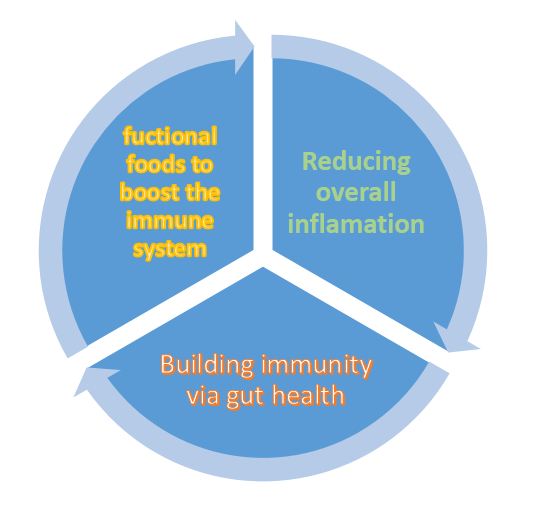
The Dietary Approach to be taken can be thought of like this:


So what exactly should and shouldn’t we be putting on our plates?

      1.)   Yes to Greens: It should come as no surprise that they are on this list with memories of most of our mothers forcing us to eat our greens for a good health. However green vegetables play a 2 part role in solving the problem they provide us with useful antioxidants, flavonoids and carotenoids helps effectively combat infections (Reducing overall inflammation) As well as providing us with pre-biotic fibre to help build up our healthy host of bacteria in our guts (building immunity via gut health).

      2.)   Yes To Pre+ Probiotics: including pre and probiotics serves one simple purpose to strengthen and retrain your body’s defence system by providing them with a host of good guys (friendly bacteria courtesy of pro-biotic’s) and food for those good guys (courtesy of pre-biotic’ s) 
Prebiotics: Fresh fruits, vegetables, whole grains.
Probiotics: homemade dahi, water-based pickles, Kombucha, buttermilk etc.

      3.)   Yes to special spices: certain spices have the ability to down regulate inflammation on the whole (turmeric and tulsi).
While some even have a specific effect on bronchial inflammation making the especially good at helping someone with asthma. (Nutmeg, ginger)

Say no to foods such as:
     1.)   Alcohol- alcohol is not only an inflammatory agent but also requires a lot of water to be safely exited from the body thus dehydrating us in the process- this combo can be crippling to someone with a high level of inflammation as the very nature of inflammation requires water to fuel the process. While also slowing down reflexes such as coughing and sneezing- which are important to clear the airways.

     2.)   Caffeinated beverages: Same as alcohol increase risk dehydration and slows down important airway reflexes.

     3.)   Packaged or processed foods - these foods not only can throw your gut health for a toss but also often contain a long list of chemical additives and synthetics fragrances via essences that can further stress an already inflamed system.

     4.)   Commercial dairy productsMost dairy products commercially farmed are not only subjected to a host of antibiotic and steroidal factors but also raised on diets fed with genetically modified foods so that they can produce more milk. Dairy products on the whole have been found to increase the amount of phlegm produced by the body.
If you must go for dairy make sure it’s coming from locally sourced desi cows (these produce A2 variety of milk that is far less inflammatory)

All in all, we hope this helps you breathe a little easier.

Friday, 16 April 2021

Eat Healthy during Ramadan


Fasting for religious purpose is meant for both physical and spiritual cleansing. Gorging on food after breaking the fast, then spending the evening snacking on foods that are high in calories is bad for anyone's health. A lot of people even experience headaches and acidity during Ramadan. It is little wonder that by the end of the fasting period, many have gained weight and get their body into an unhealthy mode.

So here are some pointers that will prevent headaches, acidity or weight gain during Ramadan:

  • Hydrate yourself well: At least 2 litres of water daily for suhoor and iftaar
  • At the time of breaking the fast, start by drinking plenty of water, which helps re hydration and reduces the chances of overindulgence. It's important to have some fluids with vitamins, such as tender coconut water or fresh fruit juices.
  • Avoid tea or coffee as these drinks will dehydrate you
  • Avoid packaged and sweetened juices or beverages
  • Nuts like almonds, walnuts, dates [in monitored quantities] will provide a burst of energy and can be taken while breaking the fast. Fresh Fruit will also have a similar revitalizing effect.
  • Add milk to the diet, which will keep your energy levels constant
  • Do not increase any intensity of workout during this period
  • Include pomegranate juice in the morning as it will not make you thirsty
  • For iftaar, one can include sprout chat, kala chana chat, fish, egg whites, slim milk, chapattis.

We wish everyone who observes the blessed month of fasting a peaceful, healthy and happy time with family, friends and community.

For more information and special diet plans for Ramadan, contact +918411935933

Tuesday, 6 April 2021

Holistic Health: Looking at the Bigger Picture (World Health Day)


Every year on health day we see a lot of attention on the importance of clean eating. For most of us the focus of health day then becomes solely what’s on our plate, and yet have you ever found yourself focusing on your healthy eating, and sure you lose a few kilos but the weight doesn’t really seem to move, your acne remains the same while your hair loss just seems to be getting worse and not better?

Welcome to today’s biggest problem- the problem of hyper focusing.

We zoom into one nutrient, one diet, and one aspect of our lives all the while ignoring the bigger picture. We clean up our diets by knocking out the toxic foods but never stop to consider the toxic emotions and lifestyles we swim in. We load up on a supplement a friend told us about all in the name of good health- but never think to cut back on those late night Netflix sessions or deal with our stress in a more healthy way than after hours TV. That’s why this health day we’re going to shake things up a little.

If you’ve never considered it before- consider it now- the body is a complex interconnected series of systems all silently working together to maintain a balance. When anyone system is compromised it’s up to the others to pick up the slack and keep the show on the road (everything working the way it should be). The damage you incur in one area of your life inevitably spills over the others.
Those late nights add up and give you junk food cravings. The weight piles on and gives you anxiety. The anger you hold on to stores up and causes low-grade inflammation. The stress you keep avoiding keeps you needing that weekend drink. The thirst you ignore makes you overeat.
It’s all connected, it always has been and it always will be.
So instead of focusing on any one aspect- let's step back and take a look at the bigger picture and the major pieces to the puzzle. You can remember this with a simple acronym “for perfect health we need to get everything off our C.H.E.S.T.S

  1. Clean Eating
  2. Hydration
  3. Exercise
  4. Sleep
  5. Toxic Emotions
  6. Stress

Clean Eating
Eating clean doesn’t mean you have to put yourself on a diet, sign up for Atkins or get yourself a customised plan. It can be as simple as eating local foods when they are in season. Buying your vegetables from local farmers instead of at the hyper-mart. Cutting back on the breakfast cereals and waking up earlier to have something home cooked. Preplanning your office meals to avoid ordering out.
To simplify it: Make sure you are eating as little outside and or processed food as possible. This not only includes your favourite restaurants ( bye-bye swiggy) but also anything that comes out of a packet or is factory made- yes those so called health biscuits count too!


Hydration
We can’t stress the importance of water enough. With summer just around the corner it’s now more than ever - important to keep those bottles handy. Find water boring? Try drinking an infused water combination (or try keeping a bottle of chia seeds handy to sprinkle into your bottle) in the office.


Exercise
Why is it that for most of us the only time we think about exercise is when we want to lose weight? Exercise has a tonne of other amazing benefits like helping you retain muscle mass as you get older, keeping your bones healthy. Getting your skin that cover magazine glow some studies even show that it can boost brain health- helping you to think faster and remember skills better.


Sleep
The simple act of sleeping may not seem like much but is everything to your bodys maintenance cycle. At night while you’re far off in dreamland- the body takes time to repair the wear and tear incurred during the day. Think of the body as one large factory that works through the day- while the night shift gets the plant ready for operation the next day. Its during this time that the body regulates your hormones and even reduces inflammation. When you cut into your sleep by spending 1 extra hour on Netflix- or giving yourself only 5 hours to sleep a night- you are without knowing it cutting into that much needed maintenance time.


Toxic emotions
This life is a wild unpredictable ride in which at some point we experience negative situations and sometimes yes even people. These sticky instances tend to fill us with fear, anxiety, may even get us riled up and ready to give someone a piece of our mind- and while it’s not possible to avoid these feelings- it is possible to deal with them in a healthy sustainable manner.
Most people numb toxic emotions by treating it with either psycho active substance (hello alcohol!) or self-consoling behaviours such as comfort eating, smoking or even pure ignorance. While avoiding these feelings may seem like the cleanest option- bottled feelings have a way of creeping out.
Try journaling, talk therapy or even exercise to deal with frustrating feelings.


Stress
A lot like toxic emotions none of us can go through life without incurring stress along the way. While stress is a natural response to inevitable life events- here are a few tips to help you fight that fatigue:

      1) Avoid too much caffeine- while you're stressed reaching for a cuppa coffee may seem like a really refreshing thought too much caffeine can unnecessarily stimulate your already over stimulated fight or flight glands.

      2) Try a relaxing floral or herbal tea- also known as tisanes- these help you calm your nerves while also boosting your anti-inflammatory response.
Perfect health is never possible- but that doesn’t mean we should stop trying! Take care of the little things and trust me- they’ll add up to big results.

Wednesday, 31 March 2021

Nutritional Tips to Counter Hairfall


 Questions:


    1. The role of nutrition in hair fall. What nutritional deficiencies can lead to hair fall?
When women suffer from hair fall and unhealthy hair, they change their shampoos, conditioners and hair treatments. But have you changed your diet? What we fail to understand is that just like skin, the condition of your hair is an outward sign of inside health. Factors that lead to hair loss is stress, hormonal imbalance, genetics and nutrition. Thus in order to have strong and lustrous hair, we need to focus on good nutrition so that the hair receives regular supply of important nutrients such as protein, zinc, biotin, magnesium, omega 3 & 6, iron etc. Quick hair loss could also result from a fad and crash weight loss diets due to lack of nutrients, particularly minerals such as Iron, Zinc, Biotin, Vitamin D and Proteins. Low iron levels and proteins are known to be a causative factor for hair loss. Too much sugar and processed foods will also interfere with absorption of certain minerals. 


   2. Is there any diet to counter hair fall? Super foods for hair?
For those who have hair fall issues, it’s very important that your diet needs to comprise of these 5 nutrients such as Zinc, Biotin, Vitamin D, Iron and Protein. However, there are some certain super foods listed below have an abundance amount of these nutrients that can help strengthen hair and help prevent hair loss.

  •  Spinach is one the top super foods which is considered to treat hair fall problems as it is rich in iron, protein, folate, vitamin A, and vitamin C which enables the body to balance out hormones and to produce essential oils in the scalp. These nutrients condition the scalp which eventually lead to increase hair growth.
  • Seeds: pumpkin, flax and Sunflower seeds are rich in Zinc, vitamin E, oleic acid and vitamin B6. These nutrients strengthen your hair strands and improve oxygen and blood flow while making it a viable environment for your tresses to grow.
  •  Egg is packed with nutrients such as protein, Sulphur, Zinc, and vitamin E which bring back the health from the roots of your strands, making it possible for a healthier regrowth.


    3. What multivitamins should we have on our plate that will stop hair fall? Can food also help in hair growth or improving texture?
Multivitamins are not required if you focus on the right diet that rich in the following minerals such as:

  •  Iron is the most important mineral for hair.  Iron deficiency is a common reason people start to get flaky hair that starts to shed. Hair follicle and roots are fed by a nutrient rich blood supply. Sources: Red meat, chicken, fish, lentils, spinach and other leafy green vegetables such as broccoli, kale and salad greens.
  •  Zinc is required for scalp protection and to regulate variety of different growth hormones which your body uses to synthesize hair growth.  Zinc deficiency can lead to hair loss and a dry, flaky scalp. Sources: Fortified cereals and whole grains, oysters, beef and eggs.
  •  Protein: Your hair is primarily made of protein. Dry, brittle and weak hair is a result of low protein diets. Extremely low protein diets may result in hair loss. The amino acid lysine is particularly important since it’s commonly found in keratin. Thus it is important to ensure that you have enough protein in your diet for strong and healthy hair. Sources:  Chicken, turkey, fish, dairy products, legumes and nuts and eggs.
  •  Biotin is a water-soluble B vitamin which is used to synthesize Keratin Growth Factor, the hormone your body uses to synthesize Keratin. Too little biotin can cause brittle hair and may lead to hair loss. Sources: Beans, egg and beef.
  •   Vitamin D has found to activate hair growth. Vitamin D is an essential nutrient required to maintain normal hair growth cycle. Sources: Sunlight, fish (mackerel, salmon, tuna), dairy products.